ADHD Across Cultures: Why Symptoms and Screening Barriers Vary Globally
The world sees ADHD differently. These cultural variations could be preventing millions from getting the help they need. From a classroom in Tokyo to a busy office in São Paulo, how we recognize and respond to attention differences varies dramatically.
Some cultures might see high energy as a positive trait. Others view it as a lack of discipline. This global mismatch often leads to many people living their whole lives without understanding their own brains.
Have you ever wondered if your struggles with focus are tied to your environment or your biology? This article explores why ADHD symptoms often go unrecognized across different cultural contexts. We look specifically at how this affects women and minority groups worldwide. Understanding these differences is the first step toward better support. If you feel you have been overlooked, you can take a culturally-sensitive ADHD screening to begin your journey of self-discovery.
Our goal is to help you see that ADHD is not just a "Western" or "modern" issue. It is a neurological reality that looks different depending on where you live. By the end of this guide, you will understand the barriers to diagnosis and how to find a path forward.
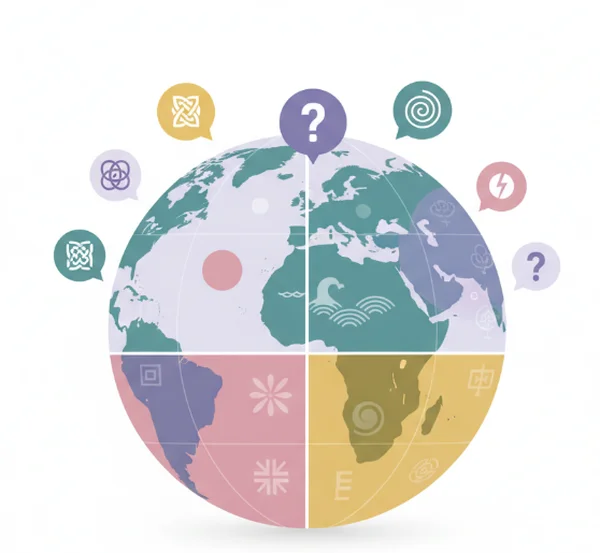
Cultural Norms and ADHD Symptom Recognition
How a society defines "normal" behavior determines who gets labeled as "different." In many parts of the world, ADHD symptoms are not viewed as medical conditions. Instead, they are often seen through the lens of personality or moral character. This cultural filter changes how parents, teachers, and even doctors identify signs of inattention.
When symptoms are viewed as choices rather than biological traits, the help people receive changes. Many receive criticism instead of support. This can lead to a lifetime of low self-esteem. Understanding these cultural norms is essential for anyone who suspects they might have ADHD but feels their environment doesn't "believe" in it.
Collectivist Cultures and ADHD Stigma
The way a society is structured plays a huge role in how ADHD is expressed and judged. In individualist societies, like the United States or much of Western Europe, independence is valued. Here, ADHD might be noticed because it interferes with personal goals. However, the focus is different in collectivist societies.
In collectivist cultures across Asia, Africa, and the Middle East, social harmony is a priority. Behaviors like hyperactivity are often seen as disrespect – not neurodivergence. A child who cannot sit still is not seen as having a distraction. They are seen as "naughty" or "poorly raised."
This pressure to conform often causes individuals to hide their symptoms. This leads to deep internal stress. Because the pressure to "fit in" is so high, many adults develop advanced coping mechanisms. They may appear successful on the outside while struggling significantly on the inside. If you have spent years hiding your struggles to satisfy others, a confidential ADHD assessment can be a safe, private way to check your symptoms.
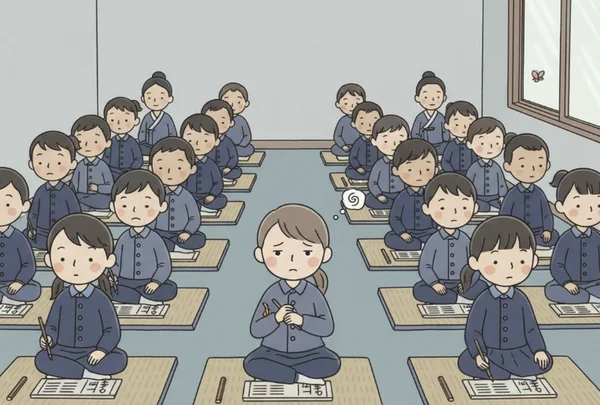
How School Systems Influence ADHD Identification
The school system is often the first place where ADHD symptoms become obvious. However, academic expectations vary wildly across the globe. In countries with high-pressure educational systems, even minor focus issues are noticed quickly. These environments expect children to sit for long hours. They must perform repetitive tasks with high accuracy.
In some cultures, a child who fails to focus is simply told to study harder. There is often a belief that "grit" and "willpower" can overcome any mental hurdle. This can lead to a dangerous cycle. The child feels like a failure because they cannot meet impossible standards. In cultures with more flexible or outdoor-based learning, hyperactive symptoms might not be seen as a problem at all.
Schools that dismiss ADHD’s biological roots deny children crucial support. Parents then face impossible choices: push a struggling child harder or seek help alone. Identifying these patterns early is vital. A free ADHD screening can help parents decide if their child’s school struggles are more than just a lack of effort.
Gender and Cultural Bias in ADHD Diagnosis
Even when a culture recognizes ADHD, bias can still prevent certain groups from getting a diagnosis. For many years, the "face" of ADHD was a young, hyperactive boy. This narrow view has left millions of others in the dark. Culture and gender often overlap to create even higher barriers for women and ethnic minorities.
Why Women Mask ADHD Symptoms in Every Culture
Women and girls face a unique challenge globally. In almost every culture, women are expected to be organized, quiet, and nurturing. Because of these social expectations, many women develop "masking" techniques. They work twice as hard to stay organized and hide their internal chaos.
Instead of showing outward hyperactivity, women often experience "inattentive" ADHD. This includes symptoms like:
- Internal restlessness or racing thoughts.
- Difficulty following conversations or "zoning out."
- Intense emotional sensitivity.
- Chronic forgetfulness that they try to hide.
Across many cultures, these traits are often mislabeled as anxiety or depression. Because women are expected to be the "planners" of the family, managing a household with ADHD can be devastating. If you are a woman who feels constantly overwhelmed, you might want to start your assessment to see if these traits align with ADHD.

Racial and Ethnic Disparities in ADHD Recognition
Racial and ethnic minorities often face a double barrier. In many Western countries, minority children are more likely to be disciplined for their behavior. They are rarely referred for mental health evaluations. Their symptoms are often viewed as "defiance" rather than a medical condition.
This disparity continues into adulthood. Many people from minority backgrounds grow up where mental health care is stigmatized or unavailable. Language barriers can also prevent people from explaining their symptoms clearly. When screening tools are only available in one language, millions are excluded.
Bridging this gap requires tools that are accessible and culturally sensitive. Breaking the cycle of "discipline over diagnosis" starts with education. ADHD does not discriminate by race or ethnicity. We must demand better treatment for everyone.
Global ADHD Screening Challenges and Solutions
The biggest challenge in global mental health is accessibility. Not everyone has a specialist in their city. Many diagnostic tests were designed for a very specific Western demographic. To help people worldwide, we need solutions that cross borders and overcome language barriers.
Technology is currently the best tool we have to solve these problems. It allows people to access information and screening from home. This is especially important in cultures where visiting a psychologist is still seen as shameful.
Adapting ADHD Screening Tools for Cross-Cultural Validity
For a test to be useful, it must make sense to the person taking it. A question about "staying in your seat at a desk" might not apply to everyone. Some cultures sit on the floor or work in different environments. Modern screening tools must reflect the real-life experiences of a global audience.
This is why multi-language support is so important. When a user can take a test in their native language, they understand the nuance of the questions. A multi-language ADHD test that supports 15 different languages helps break down these walls. Whether you speak Spanish, Japanese, or Arabic, you can get a clear initial report.
A culturally-sensitive ADHD test uses modern criteria like the DSM-5 to provide a scientific starting point. By using digital tools, people anywhere can access the same standard of care.
Bridging the Awareness Gap: Educating Communities About ADHD
Education is the only way to change how cultures view ADHD permanently. We need to move away from the idea that ADHD is a "childhood disease." When communities learn it is a difference in brain chemistry, the stigma begins to fade.
Key steps for community education include:
- Sharing stories of successful adults with ADHD from various cultures.
- Providing teachers with resources to identify inattentive symptoms.
- Encouraging open conversations about mental health in the family.
- Making screening tools easy to find and use.
The more people who take the first step of screening, the more data we have. This shows that ADHD is a global reality. If you want to help bridge the gap in your own life, you can see your results today. Use that information to start a conversation with a professional.
Your Next Steps in Culturally-Aware ADHD Understanding
Culture may shape how ADHD is seen, but it shouldn’t block your path to understanding. If you’ve spent years masking your struggles or feeling misunderstood, a free screening tool can quietly guide your next steps.
Your cultural background shapes how you and others see your ADHD traits – but it doesn’t define your need for support. Whether you are a parent concerned about your child or an adult seeking answers for yourself, the journey starts with accurate information. Our free, confidential tool can help you understand your unique traits. Start your journey now and take control of your mental health.
The Takeaway
Do ADHD symptoms present differently across cultures?
Yes. While the biological core of ADHD is the same worldwide, how symptoms are expressed depends on cultural values. In high-conformity cultures, people may "mask" their symptoms more. This leads to internalized stress rather than outward disruption. Taking an online ADHD test can help identify these hidden traits regardless of your social environment.
Why is ADHD underdiagnosed in women globally?
Women are often underdiagnosed because their symptoms frequently involve inattention rather than physical hyperactivity. Society also places high pressure on women to be organized. This forces many to hide their struggles. This "masking" makes it harder for doctors and family members to notice the signs.
How can I get culturally-sensitive ADHD screening for my child?
The best way is to use a screening tool that offers multiple languages. This removes some of the bias found in local school systems. You can use our free screening tool to generate a personalized report. You can then discuss this report with a culturally-aware medical professional.