ADHD Test Coping Strategies: Your 7-Step Action Plan After Screening
Imagine: You've just received your ADHD screening results. Relief mixes with anxiety—“What does this mean for my daily life? Where do I start?” Ever start five tasks before finishing one? That's not laziness—it's your brain seeking stimulation, and an online ADHD test can be the first step to understanding why. This guide transforms those screening results into meaningful action.
Ready to begin understanding your unique brain? take our free ADHD test for a confidential, AI-powered report.
Understanding Your ADHD Test Results
Before exploring strategies, let’s clarify what your screening actually reveals. Think of your ADHD screening results like a weather forecast—they give you a heads-up on what's coming, not a permanent prediction.
What Your ADHD Test Score Actually Means
ADHD screening tools are designed to flag potential symptoms—just like a smoke alarm detects possible fire. They don’t diagnose but suggest when a professional evaluation might benefit you. They empower you to start a conversation with a healthcare provider, armed with data.
| Screening | Clinical Diagnosis |
|---|---|
| Free & accessible online | Conducted by licensed professionals |
| Based on self-reported symptoms | Includes interviews, history, and testing |
| Results indicate possible ADHD traits | Confirms or rules out ADHD |
How to Interpret Your AI-Generated ADHD Report
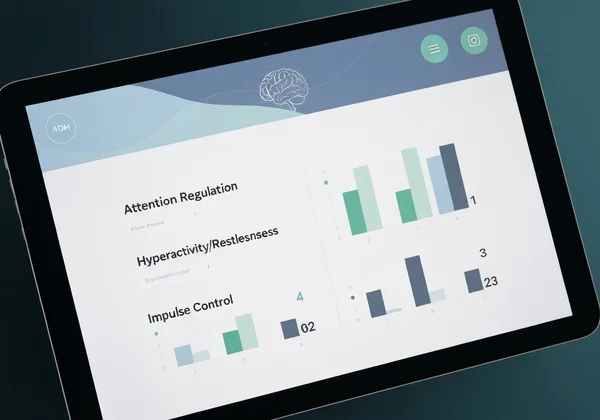
Your report breaks down symptoms into core areas, helping you see patterns:
- Attention Regulation: Difficulty sustaining focus or following through
- Hyperactivity/Restlessness: Physical or mental restlessness
- Impulse Control: Acting without considering consequences
Higher scores in one area? This helps tailor strategies. For example, someone scoring high in impulsivity might prioritize emotional-regulation techniques over focus tools.
Key Insight: Scores can fluctuate daily—track patterns using our digital ADHD journal.
Initial ADHD Self-Management Steps
Creating Your ADHD-Friendly Environment
Reduce overwhelm with these neuroscience-backed tweaks:
🔹 Minimize Visual Noise: Use bins and drawers instead of open shelves to hide clutter. 🔹 Designate Activity Zones: Create separate, distinct areas for work, relaxation, and sleep. 🔹 Embrace Reminder Systems: Place sticky notes, whiteboards, or alarms where you’ll actually see them.
Pro Tip: “If I constantly forget my keys, I keep a bowl right by the door. It’s basic, but it works.” — Sarah, 28 (Anonymous User Story)
Daily Structure Techniques for ADHD Brains
Structure doesn’t mean rigidity. It’s about building flexible frameworks that support your brain:
The Time-Blocking Hack
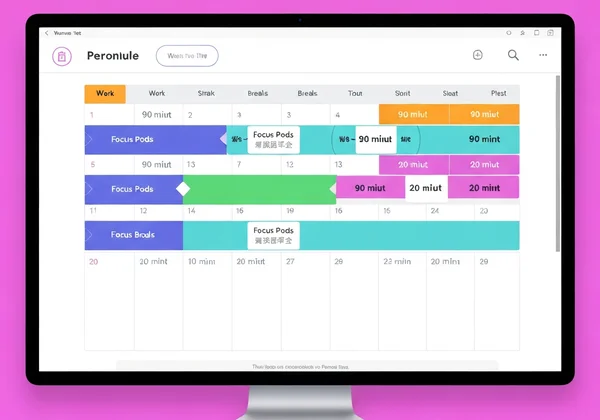
- Divide your day into 90-minute “focus pods” for important tasks.
- Schedule 20-minute buffer periods between tasks for breaks or transitions.
- Color-code your calendar for work vs. personal time.
Like James, a 37-year-old teacher who struggled with grading papers, using this method helped him finally create a sustainable workflow. Sticking to it can be tough, but you can use our download ADHD planning templates for ready-to-use guides.
Professional Support Pathways
When to Consider a Professional Evaluation
Seek expert guidance if:
✅ Symptoms significantly impact your work, school, or relationships. ✅ You’ve tried self-management for 3+ months with minimal improvement. ❌ You consistently feel shame, frustration, or anxiety about your traits.
Note: Up to 60% of adults with undiagnosed ADHD may develop co-occurring anxiety or depression—early intervention matters.
Types of ADHD Specialists and What to Expect
| Specialist | Role | Assessment Tools Used |
|---|---|---|
| Psychiatrist | Diagnoses ADHD & prescribes medication | DSM-5 criteria, clinical interviews |
| Neuropsychologist | Evaluates cognitive function | TOVA, Continuous Performance Tests |
| ADHD Coach | Teaches coping skills & strategies | Behavioral tracking, goal-setting |
Use your screening report as a helpful conversation starter with any of these professionals.
Building Long-Term Coping Strategies
Cognitive Techniques for Focus and Impulse Control
“The 10-Minute Rule” for Task Initiation
- Commit to working on a dreaded task for just 10 minutes.
- Set a timer. When it goes off, you can choose to stop or continue.
- Most people find that the initial momentum is enough to keep them going.
Why it works: ADHD brains often resist perceived “demands.” Framing a task as a small, optional experiment reduces the mental barrier to starting.
Leveraging Technology for ADHD Support
Top-rated tools to explore:
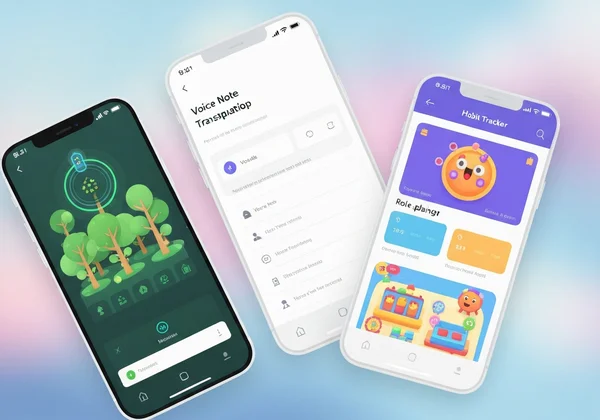
▫ Focus Apps: Forest (gamified Pomodoro timer to prevent phone distraction) ▫ Voice Organizers: Otter.ai (records voice notes and transcribes them into text) ▫ Habit Trackers: Habitica (turns your daily goals into a fun role-playing game)
Your ADHD Journey Begins with Action
Understanding your neurodivergent traits is empowering, not limiting. Whether you: • Start implementing one environmental tweak • Book a consultation with a specialist • Share your screening results with a trusted friend
Understanding your brain's unique wiring isn't about fixing something—it's about finding the right tools to help you shine.
Final Step: Take your free ADHD screening now—your insights await. No email or registration required.
The Takeaway
Will my life change dramatically if I have ADHD?
Not necessarily. Many people thrive with ADHD by leveraging their strengths, like creativity and the ability to hyperfocus. Research shows that with proper support and understanding, many experience improved life satisfaction post-diagnosis.
How long should I try self-management before seeking help?
Give your new strategies a fair shot by tracking your progress for 5-8 weeks. If daily functioning remains a significant challenge after that period, it's a good time to book a professional consultation.
Can I manage ADHD without medication?
Yes—for some. Behavioral therapy, coaching, exercise, and strong organizational systems are effective for many adults. However, those with more severe symptoms often find that a combination of therapy and medication works best. Always consult a qualified professional to determine the right path for you.