Free Adult ADHD Test: Boost Productivity & Focus in Your Career
Navigating a professional environment with ADHD can feel like an uphill battle, marked by missed deadlines, constant distraction, and overwhelming tasks. You're smart and creative, yet workplace demands often highlight challenges with focus, organization, and time management. The question "Do I have ADHD?" might be on your mind. If you're wondering if an adult ADHD test could clarify your challenges, this guide is for you. It offers actionable strategies for adults with ADHD to not just cope, but thrive in their careers. Understanding your traits through a screening tool like our free online ADHD test is an empowering first step; this article provides practical ways to transform your work life.
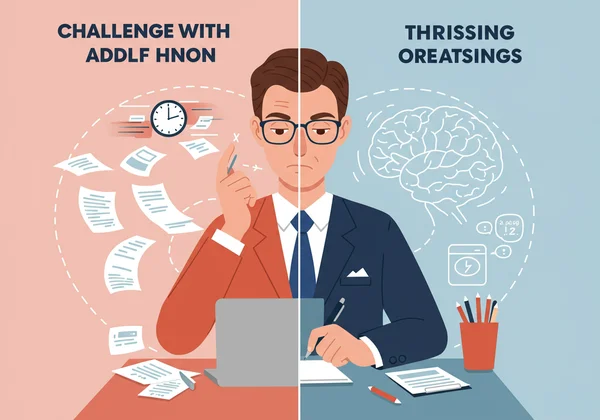
ADHD Productivity Tips: Mastering Time & Tasks for Adults
For the ADHD brain, traditional productivity advice often falls flat. Instead of trying to force a neurodivergent mind into a neurotypical mold, the real key is to build a system that genuinely works with your brain's unique wiring. These strategies are designed to help you regain control over your schedule and to-do list.
Creating an ADHD-Friendly Workspace for Adult Focus
Your environment is your co-pilot. A cluttered, chaotic desk can mirror and amplify a cluttered, chaotic mind. The goal is to minimize external stimuli so you can focus on the task at hand.
- Embrace Minimalism: Keep only essentials; use drawers, shelves, and organizers to keep clutter at bay. A clear space promotes a clearer mind.
- Control the Noise: Invest in noise-canceling headphones to block out distracting office chatter. If you focus better with sound, try ambient noise apps or instrumental music.
- Limit Visual Distractions: If possible, position your desk facing a wall or a window with a calm view. Use digital tools to hide unnecessary desktop icons and close unused browser tabs to keep your digital workspace as tidy as your physical one.
Smart Time Management Strategies for the ADHD Brain
Time blindness—the difficulty in perceiving time accurately—is a common ADHD challenge. Instead of fighting it, use structured techniques to make time tangible.
-
The Pomodoro Technique: Work in focused 25-minute intervals with a 5-minute break. This method breaks daunting tasks into manageable chunks, making it easier to start.
-
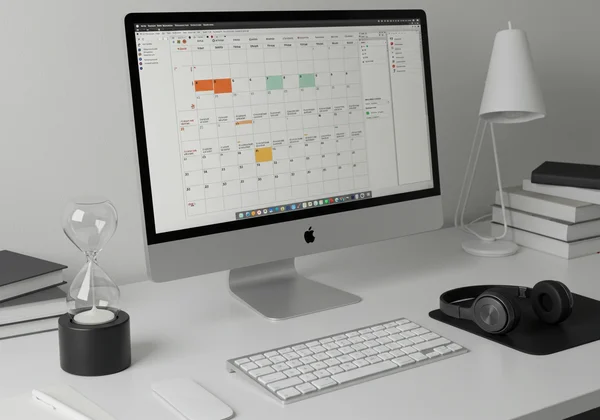
Time Blocking: Assign specific tasks to specific blocks of time in your calendar. This visual representation of your day helps you see what needs to be done and when, reducing decision fatigue.
-
Use Visual Timers: A physical timer or a digital one that shows time passing can make the concept of time more concrete, helping you stay on track and manage transitions between tasks.
Taming the Task Monster: Prioritization & Initiation Techniques
Task paralysis is real. When you have a mountain of work, deciding where to start can be the hardest part. These techniques help you break the inertia.
- The "Two-Minute Rule": If a task takes less than two minutes, do it immediately. This prevents small items from piling up and becoming overwhelming.
- Eat the Frog: Tackle your most challenging or dreaded task first thing in the morning. Completing it provides a powerful sense of accomplishment that fuels you for the rest of the day.
- Break It Down: Deconstruct large projects into the smallest possible steps. A task like "write report" is intimidating. "Open document," "write outline," and "draft first paragraph" are much more approachable.
Harnessing Hyperfocus (and Minimizing Distractions)
Hyperfocus is an ADHD superpower when directed correctly. The ability to concentrate intensely can lead to incredible bursts of productivity. The trick is to aim it at the right targets.
- Schedule Hyperfocus Time: Identify your most productive hours and block them out for your most important work. Let your colleagues know you are unavailable during these "deep work" sessions.
- Create a Distraction-Free Zone: Turn off phone notifications, close email, and log out of social media. Use website blockers if you need extra help resisting the urge to browse.
- Set an Exit Alarm: Just as it's hard to start tasks, it can be hard to stop when you're in a state of hyperfocus. Set an alarm to remind you to take a break, eat lunch, or move on to your next priority.
Navigating Workplace Dynamics: Managing ADHD in the Workplace
Your career is about more than just tasks; it's about people, communication, and navigating a complex social landscape. Here's how to manage professional interactions with an ADHD brain.
Communicating Effectively with Colleagues and Managers
ADHD traits like impulsivity or inattention can cause misunderstandings. Proactive communication bridges these gaps.
-
Practice Active Listening: When someone is speaking, repeat their key points back to them ("So, what I'm hearing is...") to ensure you've understood correctly and to show you're engaged.
-
Follow Up in Writing: After a meeting or important conversation, send a brief email summarizing the key decisions and action items. This creates a record for you to refer to later and confirms mutual understanding.
-
Be Direct and Concise: Avoid rambling by thinking about your three main points before you speak or write an email. Bullet points are your best friend.

Advocating for Yourself: Exploring Workplace Accommodations & Support
You have the right to an environment that helps you perform at your best. Self-advocacy is about securing the tools you need to succeed.
- Identify Your Needs: Do you need a quieter workspace? Flexible hours? Written instructions instead of verbal ones? Understanding your specific challenges is the first step.
- Focus on Solutions: When speaking with your manager, frame your requests around solutions that will improve your performance. For example, "I've found that I produce my best work when I can have two hours of uninterrupted time in the morning. Would it be possible to block my calendar during that time?"
- Know Your Rights: Familiarize yourself with your company's policies and local laws regarding workplace accommodations. You may not need to disclose your ADHD to get the support you need.
Building Stronger Professional Relationships with Your ADHD Brain
ADHD brings incredible strengths to a team, like creativity, high energy, and out-of-the-box thinking. Leverage these traits to build positive connections.
- Channel Your Enthusiasm: Use your passion and energy to brainstorm ideas and motivate others. Your unique perspective is a valuable asset.
- Apologize Genuinely: If you interrupt someone or miss a detail, a simple and sincere apology can go a long way in repairing any frustration.
- Show Appreciation: Make an effort to acknowledge the contributions of your colleagues. This builds goodwill and strengthens team bonds.
Cultivating Wellbeing: Beyond Productivity for Your Adult ADHD Career
Sustainable career success is about more than checklists and deadlines. It requires managing your energy, embracing your strengths, and protecting your mental health. If you are questioning your symptoms, our ADHD screening tool can offer initial clarity. This free online ADHD test can provide valuable initial insights.
Embracing Your Unique ADHD Strengths & Talents at Work
ADHD is not a deficit; it's a different way of processing the world. Many of its traits are highly sought-after in the modern workplace.
-
Creativity & Innovation: ADHD brains excel at connecting disparate ideas. Use this to your advantage in brainstorming sessions and problem-solving.
-
Crisis Management: The ability to stay calm and hyperfocus under pressure can make you an invaluable asset when things go wrong.
-
Entrepreneurial Spirit: Your high energy and willingness to take risks can drive new projects and initiatives forward.

Preventing Burnout: Maintaining Energy & Self-Care
The constant effort to manage ADHD symptoms in a demanding environment can be exhausting. Proactive self-care is non-negotiable.
- Schedule Downtime: Just as you schedule work tasks, schedule breaks, hobbies, and rest. Protect this time fiercely.
- Prioritize Sleep: A lack of sleep exacerbates every ADHD symptom. Create a consistent, relaxing bedtime routine to ensure you get enough rest.
- Move Your Body: Regular exercise is one of the most effective non-medical strategies for managing ADHD symptoms. It improves focus, reduces impulsivity, and boosts mood.
Setting Boundaries & Managing Expectations Effectively
People with ADHD often struggle with saying "no," leading to overcommitment and burnout. Clear boundaries are essential for your well-being.
- Learn to Pause: When asked to take on a new task, don't answer immediately. Say, "Let me check my workload and get back to you." This gives you time to assess if you truly have the capacity.
- Be Realistic: Use your past experiences to estimate how long tasks will actually take, and then add a buffer.
- Communicate Your Limits: Clearly and politely communicate your workload and priorities to your manager and team. This isn't a sign of weakness; it's a sign of professional self-awareness.
Empowering Your ADHD Career Journey
Thriving at work with ADHD isn't about eliminating your symptoms; it's about building a supportive framework of strategies tailored to your unique brain. By mastering your time, navigating workplace dynamics, and prioritizing your well-being, you can turn your challenges into strengths. The journey starts with understanding. Taking the first step to explore your traits can provide the clarity needed to move forward with confidence.
Ready to gain a deeper understanding of your cognitive patterns? Take our free ADHD test now and receive an instant, personalized report to begin your journey toward a more focused and fulfilling career.

Frequently Asked Questions About ADHD & Work
How can ADHD affect job performance?
ADHD can impact job performance through challenges with time management, organization, sustained focus on mundane tasks, and prioritization. This can lead to missed deadlines or inconsistent work quality. However, it can also be a source of high creativity, problem-solving skills, and the ability to perform well under pressure.
Should I tell my employer I have ADHD?
This is a personal decision. You are not legally obligated to disclose an ADHD diagnosis unless you are requesting formal accommodations under disability laws. Many people find success by asking for support based on their needs (e.g., "I work best with written instructions") without ever mentioning ADHD.
What kind of jobs are good for people with ADHD?
Jobs that involve novelty, creativity, problem-solving, and a fast pace are often a great fit. Roles in emergency services, entrepreneurship, journalism, sales, and creative fields can leverage ADHD strengths like hyperfocus and out-of-the-box thinking. The key is finding a role that aligns with your interests and strengths.
Is there a test for adult ADHD symptoms?
Yes, while a formal diagnosis must be made by a qualified healthcare professional, a great first step is an online ADHD test. These tools use standard symptom criteria to help you identify potential ADHD traits. An ADHD self assessment can provide valuable insights and help you decide whether to seek a professional evaluation.
What should I do after taking an online ADHD test?
After taking an online screening test, review your personalized report. If the results suggest you have traits consistent with ADHD, consider it a starting point. The next step is to share these results with a doctor or mental health professional who can conduct a comprehensive evaluation and discuss a formal diagnosis and treatment options.