Nutrition & Exercise for ADHD: Science-Based Guide
Have you ever wondered if what you eat and how you move could change how your brain works? There's a surprising connection between your daily habits and ADHD traits. Simple lifestyle choices can directly impact focus, impulsivity, and executive function. This is great news for anyone managing these challenges.
Perhaps you've recently taken an ADHD screening and are looking for the next steps. Or maybe you're just curious about how lifestyle factors might be affecting your attention span. Understanding this link is the first step toward building a supportive routine. If you're ready to explore your own traits, our free online ADHD test can provide valuable insights.
This guide, based on scientific research, will show you how to turn your daily habits into powerful allies for managing ADHD. We'll explore practical strategies for nutrition and exercise that can help you manage ADHD-related traits more effectively. Let's dive into how you can fuel your brain and body for better focus and control.
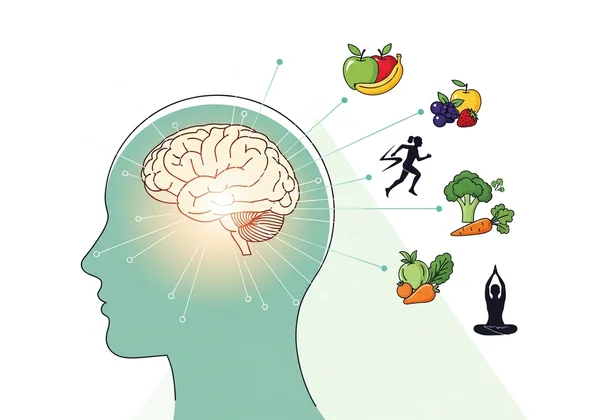
ADHD Diet Tips: Fueling Your Brain for Optimal Focus
The food you eat provides the building blocks for everything your brain does, from producing neurotransmitters to maintaining energy levels. For a brain wired with ADHD, the right "fuel" can make a significant difference in daily functioning. An ADHD-friendly diet isn't about restriction; it's about strategic nourishment.
The Omega-3 Connection: Brain-Boosting Foods That Support Neurotransmitter Production
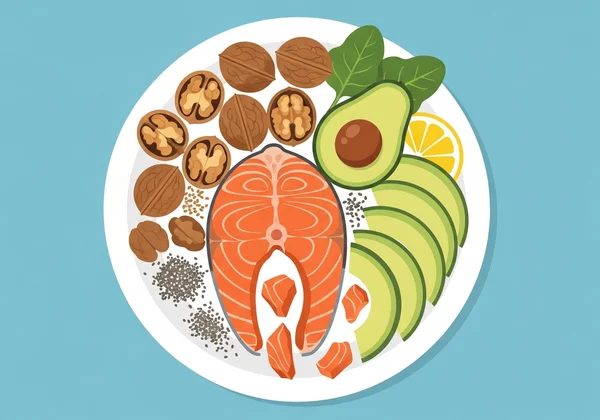
Omega-3 fatty acids are essential fats that are critical for brain health. They are a key component of brain cell membranes and play a vital role in cell signaling. Research suggests that for individuals with ADHD traits, omega-3s can support the production and function of neurotransmitters like dopamine and norepinephrine, which are central to attention and focus.
Incorporating omega-3s into your diet is simple. Consider adding these foods to your weekly meals:
- Fatty Fish: Salmon, mackerel, herring, and sardines are excellent sources.
- Nuts and Seeds: Walnuts, chia seeds, and flaxseeds are great plant-based options.
- Fortified Foods: Some eggs, yogurts, and milks are fortified with omega-3s.
Making these small additions can help provide your brain with the foundational nutrients it needs to operate at its best.
Blood Sugar Stabilization: Preventing Afternoon Focus Crashes Through Strategic Eating
Do you ever experience a sudden drop in energy and focus in the afternoon? This "crash" is often linked to unstable blood sugar levels. A meal high in sugar and refined carbohydrates can cause a rapid spike in blood glucose, followed by a sharp decline that leaves you feeling tired and unfocused.
To maintain stable energy and concentration, focus on balancing your meals. Combine protein, healthy fats, and complex carbohydrates at every meal.
- Protein: Lean meats, beans, lentils, and tofu.
- Healthy Fats: Avocado, nuts, and olive oil.
- Complex Carbs: Whole grains (oats, quinoa), vegetables, and fruits.
This combination slows down digestion, leading to a more gradual release of sugar into the bloodstream. This helps prevent energy crashes and supports sustained mental clarity throughout the day.
Nutrient Deficiencies Common in ADHD: How to Identify and Address Them Naturally
Studies have pointed to potential links between ADHD traits and lower levels of certain vitamins and minerals, such as zinc, iron, and magnesium. These nutrients are crucial for cognitive processes and neurotransmitter synthesis. For example, zinc helps regulate dopamine, while magnesium has a calming effect on the nervous system.
While a blood test from a doctor is the only way to confirm a deficiency, you can focus on a diet rich in these key nutrients.
- Zinc: Found in beef, pumpkin seeds, lentils, and chickpeas.
- Iron: Abundant in red meat, spinach, beans, and fortified cereals.
- Magnesium: Present in almonds, spinach, black beans, and dark chocolate.
A well-rounded diet is the best first step. If you suspect a deficiency, it's important to consult with a healthcare professional before considering supplements.
Exercise for ADHD Management: Moving Beyond Medication
Exercise is one of the most effective non-medical strategies for managing ADHD symptoms. It offers immediate benefits for focus, mood, and impulsivity. Think of physical activity as a natural way to give your brain the stimulation it craves, helping you feel more centered and in control.
The Neurochemical Effects of Physical Activity: How Exercise Mimics ADHD Medication
When you exercise, your brain releases a cocktail of powerful neurochemicals, including dopamine, norepinephrine, and serotonin. These are the very same neurotransmitters targeted by many ADHD medications. This release can temporarily improve attention, reduce hyperactivity, and boost your mood.
The effects can be felt almost immediately after a workout session. A brisk walk, a quick run, or a bike ride can lead to a period of enhanced clarity and calmness. This makes exercise a powerful tool for managing symptoms on a daily basis, helping you navigate tasks that require sustained focus.

Finding Your ADHD-Friendly Workout: High-Intensity vs. Mind-Movement Approaches
There is no single "best" exercise for ADHD. The key is finding an activity you enjoy and can stick with. The ADHD brain thrives on novelty and engagement, so don't be afraid to experiment.
- High-Intensity Workouts: Activities like High-Intensity Interval Training (HIIT), running, or team sports provide a strong and immediate neurochemical boost. The fast pace can be highly engaging for a brain that seeks stimulation.
- Mind-Movement Approaches: Practices like yoga, tai chi, and martial arts are also incredibly beneficial. They combine physical activity with mindfulness, which helps improve body awareness, impulse control, and executive function.
The ideal routine might involve a mix of both. A high-intensity workout could help you start your day with focus, while a yoga session could help you wind down in the evening.
Creating Sustainable Exercise Habits: Building Consistency with ADHD-Friendly Strategies
The biggest challenge with any routine is consistency. For the ADHD brain, this can be particularly difficult. The trick is to work with your brain, not against it.
Here are a few ADHD-friendly tips for building an exercise habit:
- Start Small: Don't aim for an hour-long workout every day. Start with 10-15 minutes and build from there.
- Find a Buddy: An accountability partner can make it much more likely that you'll show up.
- "Temptation Bundle": Pair exercise with something you love. Only allow yourself to listen to your favorite podcast or watch your favorite show while you're on the treadmill.
- Schedule It: Put your workout in your calendar like any other important appointment.
Remember, any movement is better than no movement. Celebrate small wins and be kind to yourself on days when it doesn't happen.
Nutrition and Executive Function: Contextualizing Your Screening Results
Understanding your unique profile of ADHD traits is key to developing effective strategies. Executive functions—like planning, organization, and task initiation—are often where challenges arise. Your diet can directly influence these cognitive skills. When you know your specific weak points, you can tailor your nutritional approach for better results. The first step is often a self-assessment, and you can get started here with a free screening.
How Your Diet May Be Influencing Specific ADHD Traits Revealed in Screening
An ADHD screening can reveal whether your primary challenges are with inattention, hyperactivity/impulsivity, or a combination of both. Your diet can influence these traits differently. For instance, if your results from an online ADHD test point toward significant inattention, stabilizing your blood sugar is paramount for maintaining focus.
If impulsivity is a greater challenge, ensuring adequate intake of protein and calming minerals like magnesium might help. Protein helps you feel full and satisfied, reducing impulsive snacking on sugary foods that can worsen mood swings. By understanding your profile, you can prioritize the dietary strategies that will give you the most benefit.
Meal Timing Strategies to Improve Working Memory and Task Initiation
When you eat can be just as important as what you eat. An empty stomach or a brain running low on fuel can make it nearly impossible to access working memory or initiate a difficult task. Procrastination and "brain fog" often worsen when your body needs energy.
Consider these meal timing strategies:
- Eat a Protein-Rich Breakfast: This sets the stage for stable energy and neurotransmitter function throughout the morning.
- Plan for Healthy Snacks: Have a small, balanced snack (like an apple with nut butter) ready for mid-morning and mid-afternoon to prevent energy dips.
- Don't Skip Meals: This can lead to a state of "hanger" and cognitive decline, making executive functions even harder to access.
By fueling your brain consistently, you provide it with the resources needed to tackle complex tasks and stay on track.
Hydration and Cognitive Performance: The Overlooked ADHD Management Tool
Dehydration is a major, yet often overlooked, cause of poor cognitive performance. Even mild dehydration can lead to brain fog, fatigue, and difficulty concentrating. For a brain already struggling with focus, staying hydrated is a simple but powerful intervention.
Water is essential for delivering nutrients to the brain and for maintaining optimal neurological function. Make it a goal to sip water consistently throughout the day. Keep a water bottle on your desk or set reminders on your phone. Sometimes, the feeling of restlessness or an inability to focus is simply your brain's signal that it needs more water.
Your Personalized ADHD Lifestyle Action Plan
Managing ADHD traits is a journey, and what you eat and how you move are two of your most powerful tools. By fueling your brain with omega-3s, stable energy, and essential nutrients, you create a strong foundation for focus. By engaging in regular exercise, you provide a natural boost of the very neurochemicals that support attention and mood.
What works best is a plan tailored specifically to you. It starts with understanding your unique strengths and challenges.
- Nourish Your Brain: Prioritize whole foods, balance your meals with protein, and stay hydrated.
- Move Your Body: Find an activity you enjoy and build consistency with ADHD-friendly strategies.
- Know Yourself: Understanding your specific traits is the key to tailoring these strategies effectively.
Are you ready to take the first step toward understanding your personal profile? Our science-informed screening can help you identify traits related to inattention and hyperactivity. Start your free test now to receive an AI-powered, personalized report and begin your journey toward a more focused life.
The Takeaway
Can diet and exercise really replace ADHD medication?
For some individuals with mild symptoms, lifestyle changes alone may be sufficient for effective management. However, diet and exercise should be seen as complementary strategies, not replacements for medication prescribed by a doctor. They work alongside medical treatment to improve overall well-being and can sometimes help reduce the required dosage of medication under a doctor's supervision. Always consult with a healthcare professional before making any changes to your treatment plan.
How soon can I expect to see improvements in focus after changing my diet?
The effects of exercise can be immediate, with many people feeling more focused for a few hours after a workout. The benefits of dietary changes are more gradual. You might start to notice improvements in energy stability and mood within a few weeks of consistently balancing your blood sugar and increasing nutrient intake. Significant neurological benefits, such as those from boosting omega-3 levels, may take a few months to become apparent.
What's the best time of day to exercise for someone with ADHD symptoms?
This is highly individual, but many people with ADHD find a morning workout incredibly beneficial. It can help "wake up" the brain, improve focus for school or work, and regulate energy levels for the rest of the day. Others might prefer an afternoon session to combat the midday slump. The key is to find a time that works for your schedule and helps you feel your best. If you're not sure where to start in understanding your own patterns, taking a free online screening can be a helpful first step.
Are there specific foods that should be avoided with ADHD?
While no food is universally "bad," many people with ADHD find that limiting certain items helps manage their symptoms. Highly processed foods, sugary drinks, and refined carbohydrates (like white bread and pastries) can contribute to blood sugar spikes and crashes, which can worsen inattention and irritability. Some individuals may also be sensitive to artificial colors and preservatives, though research is ongoing. Focusing on a diet of whole, unprocessed foods is the most reliable strategy.