The ADHD Test Journey: Your Step-by-Step Guide to Screening & Management
Feeling scattered, overwhelmed, or constantly missing deadlines? If you find yourself wondering, Do I have ADHD?, you're not alone. The path to understanding and managing Attention-Deficit/Hyperactivity Disorder can feel daunting, but it doesn't have to be. This comprehensive guide will illuminate your ADHD journey, from recognizing the initial signs and taking a crucial ADHD test to understanding diagnosis and embracing effective self-management strategies. The first step towards clarity can begin right now, right here.
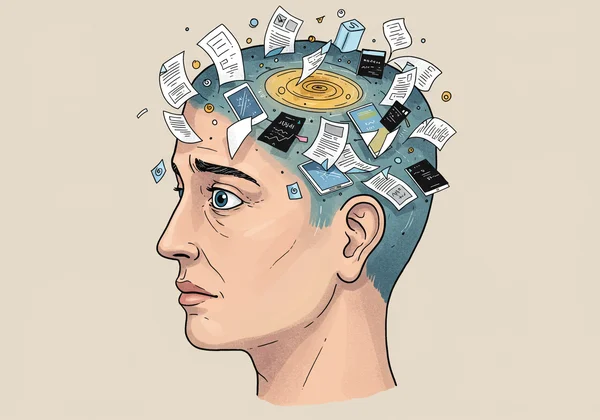
Recognizing the Early Signs: Do You Have ADHD?
Understanding ADHD begins with recognizing its diverse symptoms, which go far beyond the stereotypical image of a child who can't sit still. These traits can look very different depending on age, gender, and individual personality.
Common ADHD Symptoms in Adults: More Than Just Hyperactivity
For many adults, ADHD isn't about bouncing off the walls. It's an internal sense of restlessness, a constant mental chatter, or a persistent struggle with "executive functions"—the brain's management system. You might experience chronic procrastination, difficulty organizing tasks, trouble with time management, forgetfulness in daily activities, or intense emotional reactions. It can feel like you're constantly fighting your own brain just to keep up.
How ADHD Symptoms Manifest in Children and Teens
In children and teens, ADHD symptoms often impact school and social life. A child might struggle to follow instructions, frequently lose things like homework or toys, interrupt others, or have difficulty waiting their turn. For teens, this can evolve into challenges with long-term projects, risk-taking behaviors, and difficulties maintaining friendships due to impulsivity or inattention.
Why Female ADHD Symptoms Are Often Missed or Misunderstood
ADHD in women and girls frequently presents differently, leading to missed or late diagnoses. It often manifests more as inattentiveness than hyperactivity. This can look like daydreaming, being shy or withdrawn, or experiencing anxiety and depression. Because these signs don't fit the classic ADHD mold, they are often overlooked, leaving many to struggle in silence for years.
Beyond Fidgeting: Understanding Inattentive ADHD Traits
Inattentive ADHD, once called ADD, is a subtype without significant hyperactivity. Individuals may seem quiet and dreamy, but internally their focus is drifting. They might make careless mistakes, have trouble sustaining attention on tedious tasks, and struggle to finish what they start. Recognizing these subtle signs is a key part of the ADHD journey.
Taking the First Step: Your Online ADHD Screening Test
Once you recognize potential signs, the natural next question is: what now? This is where a preliminary screening can be an incredibly empowering first step. It provides a structured way to explore your experiences and gather information before seeking a professional opinion.
Can You Really Test for ADHD Online Effectively?
Yes, you can take an effective initial screening online. While an online tool cannot provide a clinical diagnosis, a well-designed ADHD screening test serves as an excellent starting point. It helps organize your thoughts and provides data-driven insights based on established criteria, making it a valuable resource for self-reflection. The key is to see it as an informative first look, not a final verdict.
What an Online ADHD Self-Assessment Test Consists Of
A quality ADHD self assessment test typically involves a series of multiple-choice questions based on the criteria found in the DSM-5 (The Diagnostic and Statistical Manual of Mental Disorders). These questions explore patterns of inattention, hyperactivity, and impulsivity in various life situations. The test on our site consists of 18 targeted questions designed to be completed quickly and privately from the comfort of your home.
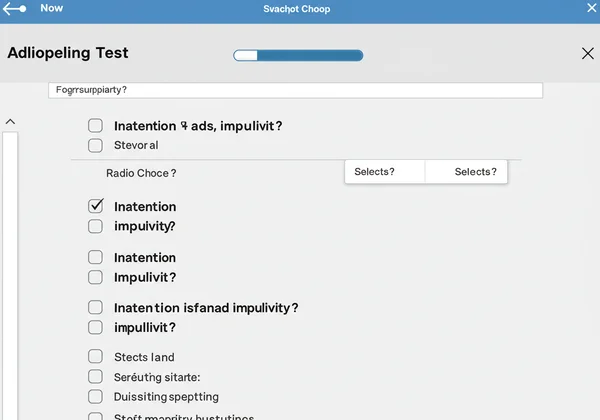
Deciphering Your Personalized Report: What Your Score Means
Unlike a simple score, a powerful screening tool provides context. Here on our platform, you receive an instant, AI-powered personalized report. This report analyzes your response patterns to highlight potential traits related to ADHD. It's designed to be an educational tool that helps you understand your unique challenges, giving you a clearer picture to start your journey with.
Is This Online ADHD Test Accurate and a Reliable First Look?
Our test is built on widely recognized screening standards to ensure it is a reliable and informative first step. It is designed to provide a high-quality initial assessment to guide your next actions. Remember, its purpose is to screen for traits, not to diagnose. The accuracy lies in its ability to flag potential areas of concern that warrant further exploration with a qualified professional. You can take a free test today to see for yourself.
Preparing for a Professional Evaluation: Talking to Your Doctor
Your screening results are a powerful conversation starter. The next phase of the ADHD journey involves bridging the gap between self-assessment and a professional evaluation.
How to Discuss Your Online ADHD Test Results with a Healthcare Provider
Bring a copy of your personalized report to your appointment. You can say something like, "I've been struggling with focus and organization, so I took this online ADHD screening. The results suggested I might have traits associated with ADHD, and I'd like to discuss them with you." This provides your doctor with a clear, concise summary of your concerns.

Essential Questions Your Doctor May Ask During an ADHD Consultation
A healthcare professional will want to understand your full story. Be prepared to discuss when your symptoms started (ADHD symptoms must be present in childhood), how they affect different areas of your life (work, home, relationships), and your family's medical history. Honesty and detail are crucial for an accurate evaluation.
Finding a Qualified ADHD Specialist Near You: Resources & Tips
If your primary doctor agrees, they may refer you to a specialist like a psychiatrist, psychologist, or neurologist. You can also search for specialists through organizations like CHADD (Children and Adults with Attention-Deficit/Hyperactivity Disorder) or your insurance provider's directory. Look for professionals with experience in diagnosing adult ADHD.
Understanding the Formal ADHD Diagnosis Process
A formal diagnosis is a comprehensive process that goes far beyond a single questionnaire. Knowing what to expect can reduce anxiety and help you prepare.
What a Comprehensive ADHD Evaluation Typically Involves
A clinical ADHD diagnosis process often includes detailed interviews, rating scales completed by you and sometimes a loved one, a review of your personal and family history, and a medical exam to rule out other conditions. The goal is to build a complete picture of your life and challenges.
Online Screening vs. Clinical Diagnosis: Knowing the Difference
This is a critical distinction. An online ADHD screening is a tool for preliminary insight and self-awareness. A clinical diagnosis is a medical assessment made by a licensed professional who can legally diagnose conditions and prescribe treatment. Our tool is the first step; a clinician provides the final one.
Navigating the Costs of ADHD Testing and Diagnosis
The cost of a formal evaluation can vary significantly based on your location, insurance coverage, and the provider. It's wise to contact your insurance company beforehand to understand what they cover. Some university clinics or community health centers may offer lower-cost options.
Unpacking Similarities: Is It ADHD, Anxiety, or Something Else?
Many conditions can mimic ADHD symptoms. What feels like ADHD but isn't? Conditions like anxiety, depression, thyroid issues, and sleep disorders can all cause problems with focus and concentration. A thorough professional evaluation is essential to distinguish between these possibilities and ensure you get the right support.
Exploring Support & Self-Management Strategies for Living with ADHD
Whether you have a formal diagnosis or simply recognize ADHD traits in yourself, you can start implementing strategies to make life easier. The ADHD journey is not just about diagnosis—it's about learning to thrive.
Practical Strategies for Managing ADHD Brain Fog and Overwhelm
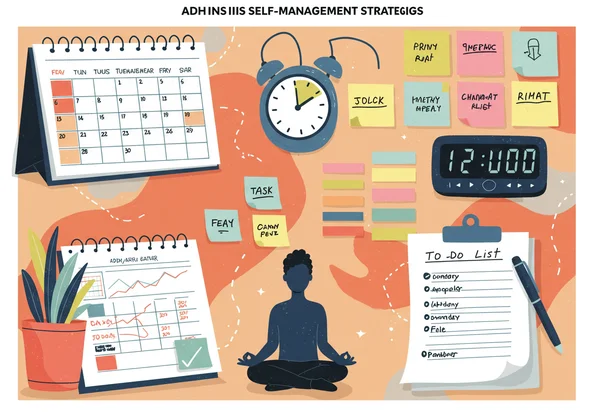
Break large tasks into smaller, manageable steps. Use timers, planners, and digital reminders to stay on track. Externalizing your memory with lists and calendars can free up mental energy. Simple mindfulness exercises can also help calm a racing mind and improve focus.
Beyond Medication: Therapy and Coaching Options for ADHD
Cognitive Behavioral Therapy (CBT) can be highly effective for ADHD, helping you reframe negative thought patterns and build better habits. ADHD coaching provides practical support and accountability for achieving your personal and professional goals.
Building an ADHD-Friendly Lifestyle: Routines, Organization & Productivity
Create consistent routines for mornings and evenings to reduce decision fatigue. Designate a specific place for important items like keys, wallets, and phones. Leverage your strengths—if you work best in short bursts, use the Pomodoro Technique. An ADHD-friendly life is about working with your brain, not against it.
Support for Parents: Helping a Child with ADHD Symptoms Thrive
For parents, the journey involves becoming your child's advocate. Work closely with teachers to implement classroom accommodations, establish clear and consistent routines at home, and focus on positive reinforcement. Remember to celebrate your child's unique strengths and passions.
Embrace Your ADHD Journey: From Understanding to Thriving
The path from suspicion to understanding and finally to thriving with ADHD is a personal one. It starts with a single question and the courage to seek answers. Recognizing the signs, taking an initial screening, and speaking with a professional are all empowering steps toward gaining control over your life. This journey is about discovering how your unique brain works and finding the tools to unlock its full potential.
Ready to take that first, crucial step? Gain valuable insights in minutes. Try our free online ADHD test and receive your confidential, personalized report today.
Frequently Asked Questions About the ADHD Journey & Testing
How can I start the process to get tested for ADHD?
The simplest way to begin is by taking a confidential online screening. An online ADHD test can help you organize your symptoms and decide if pursuing a formal evaluation with a healthcare provider is the right next step for you.
Can I get an accurate initial assessment for ADHD online?
Yes, a well-designed online test provides an accurate initial screening. It's a reliable way to assess whether your experiences align with common ADHD traits, giving you a solid foundation of knowledge before speaking with a doctor.
What steps should I take after completing an online ADHD test?
After receiving your results, take some time to review the personalized report. If the results indicate potential ADHD traits, the recommended next step is to schedule an appointment with a doctor or mental health professional to discuss your concerns and plan for a formal evaluation.
Is an online ADHD test considered accurate for self-screening?
Absolutely. Online ADHD tests are specifically designed for self-screening. They use standardized questions to provide a reliable, evidence-based snapshot of your traits. While not a diagnosis, it is an accurate first-look tool.
What is the typical cost associated with a full ADHD diagnosis?
The cost of a professional diagnosis can range from a few hundred to several thousand dollars, depending heavily on your insurance, location, and the provider's specialty. An online screening is a valuable and free starting point to determine if this investment is necessary.